.png)


The UK’s retail property market is evolving at pace. Rather than pursuing rapid national rollouts, today’s retailers are taking a more strategic approach to expansion- using data, customer insights and flexible store formats to identify the right locations and accelerate growth.
Despite ongoing economic uncertainty, retailer confidence remains strong. According to Savills’ Lucky Seven: Retail & Leisure Occupational Trends 2026, more than 1,500 retail and leisure brands expanded during 2025, opening over 8,200 new stores, while almost 400 brands opened five or more locations. This demonstrates that physical retail continues to play a vital role in brand growth and customer engagement.
For landlords, agents and property professionals, understanding these evolving expansion strategies is essential to attracting the right occupiers and creating thriving retail destinations.
1. Convenience-Led Growth Continues to Accelerate
Consumers increasingly expect shopping to fit around their daily routines. This has driven demand for smaller, conveniently located stores that provide quick access to everyday essentials. Rather than focusing solely on flagship destinations, many retailers are expanding into residential neighborhoods, transport hubs and local high streets to remain closer to their customers.
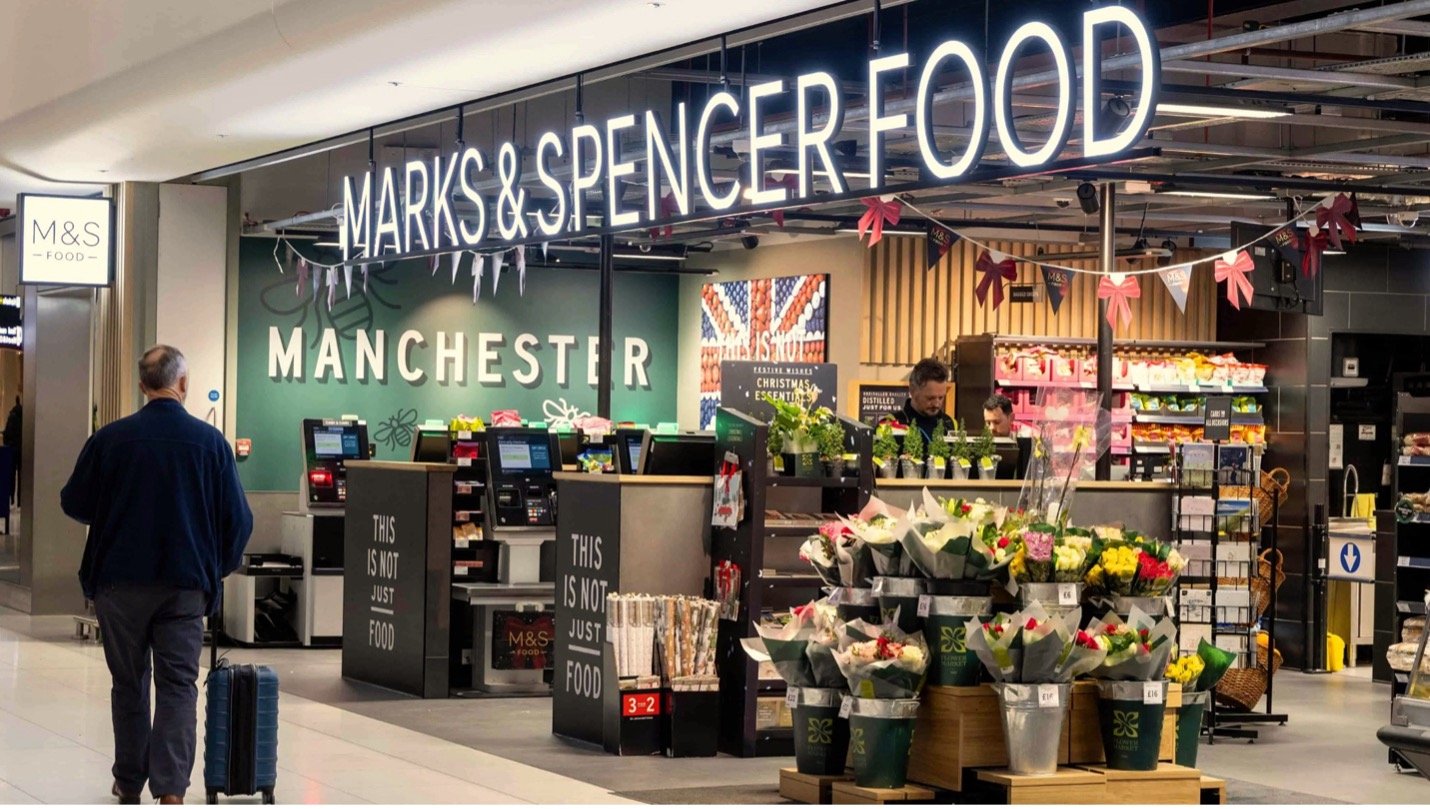
Case Study: Marks & Spencer Food
Marks & Spencer has placed convenience at the heart of its growth strategy, announcing plans to significantly expand its M&S Food estate. The retailer continues to target neighborhood locations, retail parks and transport hubs, responding to changing shopping habits and increasing demand for accessible, local food shopping.
Key takeaway: Convenience remains one of the strongest drivers of retail expansion, creating new opportunities for neighborhood centres, mixed-use developments and retail parks.
2. Experiential Retail Is Driving Destination Visits
As online shopping continues to evolve, physical stores are increasingly focused on delivering experiences that cannot be replicated digitally. Retailers are investing in immersive environments, product demonstrations, personal services and community events that encourage customers to spend more time in-store while strengthening brand loyalty.
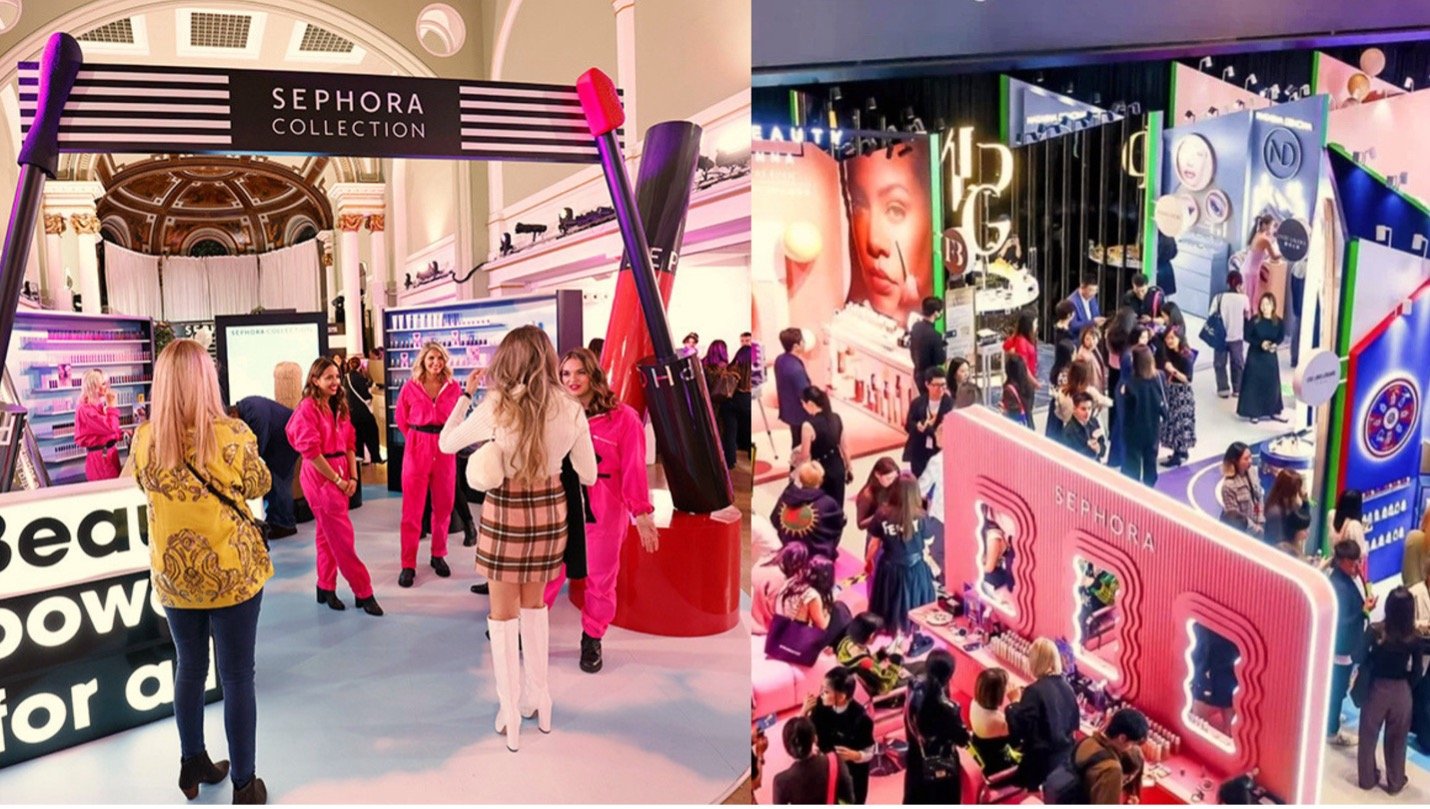
Case Study: Sephora
Since returning to the UK, Sephora has created destination beauty stores featuring expert consultations, interactive product discovery, exclusive launches and in-store experiences. This experiential approach has supported its wider international expansion strategy while attracting significant footfall to flagship locations.
Key takeaway: Experience-led retail is becoming a key differentiator for brands and an important consideration for landlords looking to attract premium occupiers.
3. International Brands Continue to Target the UK Market
The UK remains one of Europe’s most attractive retail markets for international brands seeking expansion opportunities. Many global retailers are adopting phased growth strategies, entering major cities before rolling out across regional destinations as customer awareness increases.
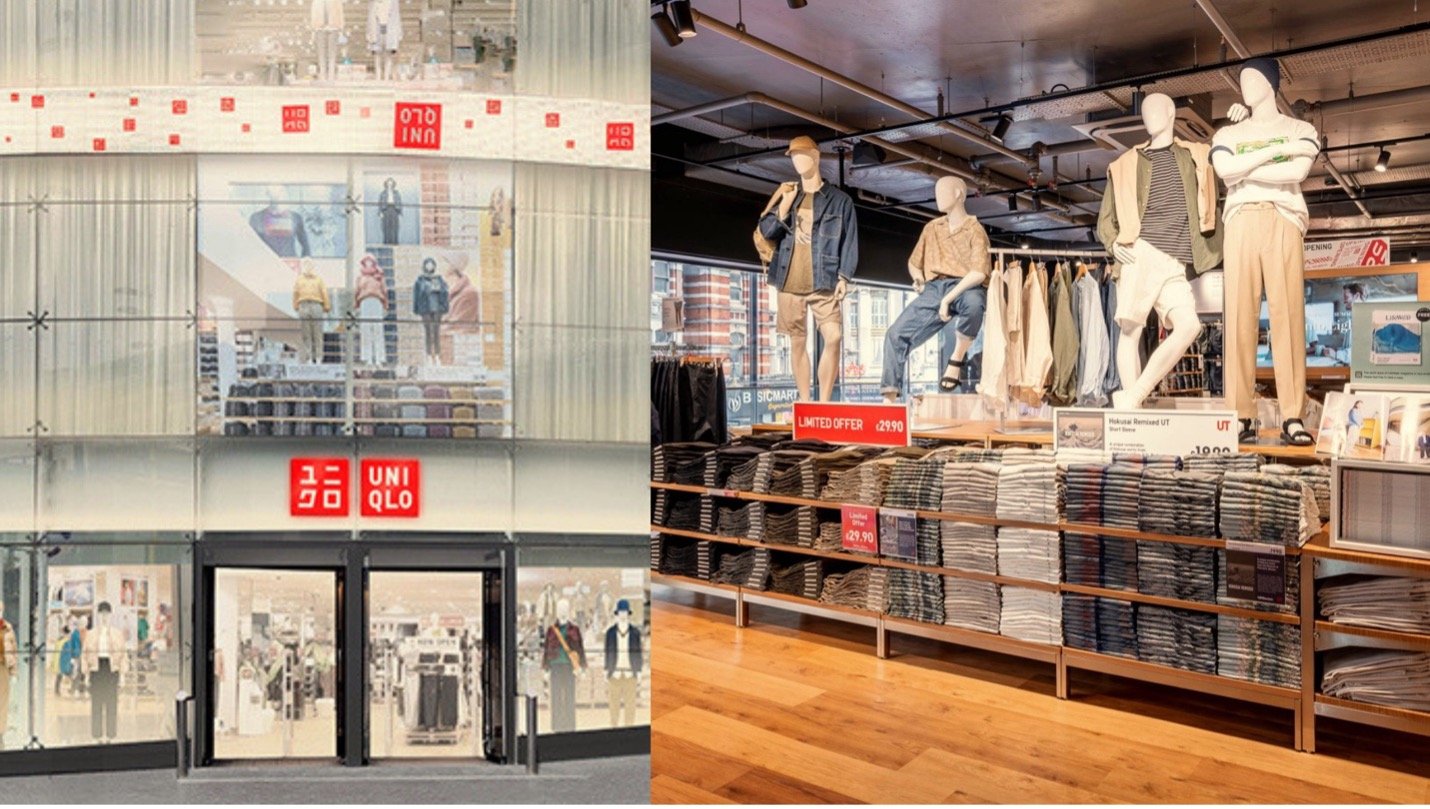
Case Study: UNIQLO
UNIQLO continues to expand its UK presence through carefully selected flagship and regional locations. By combining strong brand positioning with local market insight and omni-channel capability, the retailer has successfully accelerated its European growth while maintaining a disciplined approach to expansion.
Key takeaway: International retailers continue to see significant long-term opportunity within the UK retail property market.
4. Retailers Are Using Data to Make Better Property Decisions
Expansion decisions are increasingly guided by data rather than instinct. Retailers now analyse customer demographics, online behaviour, catchment analysis, footfall and existing store performance before committing to new locations, reducing risk while improving long-term success.
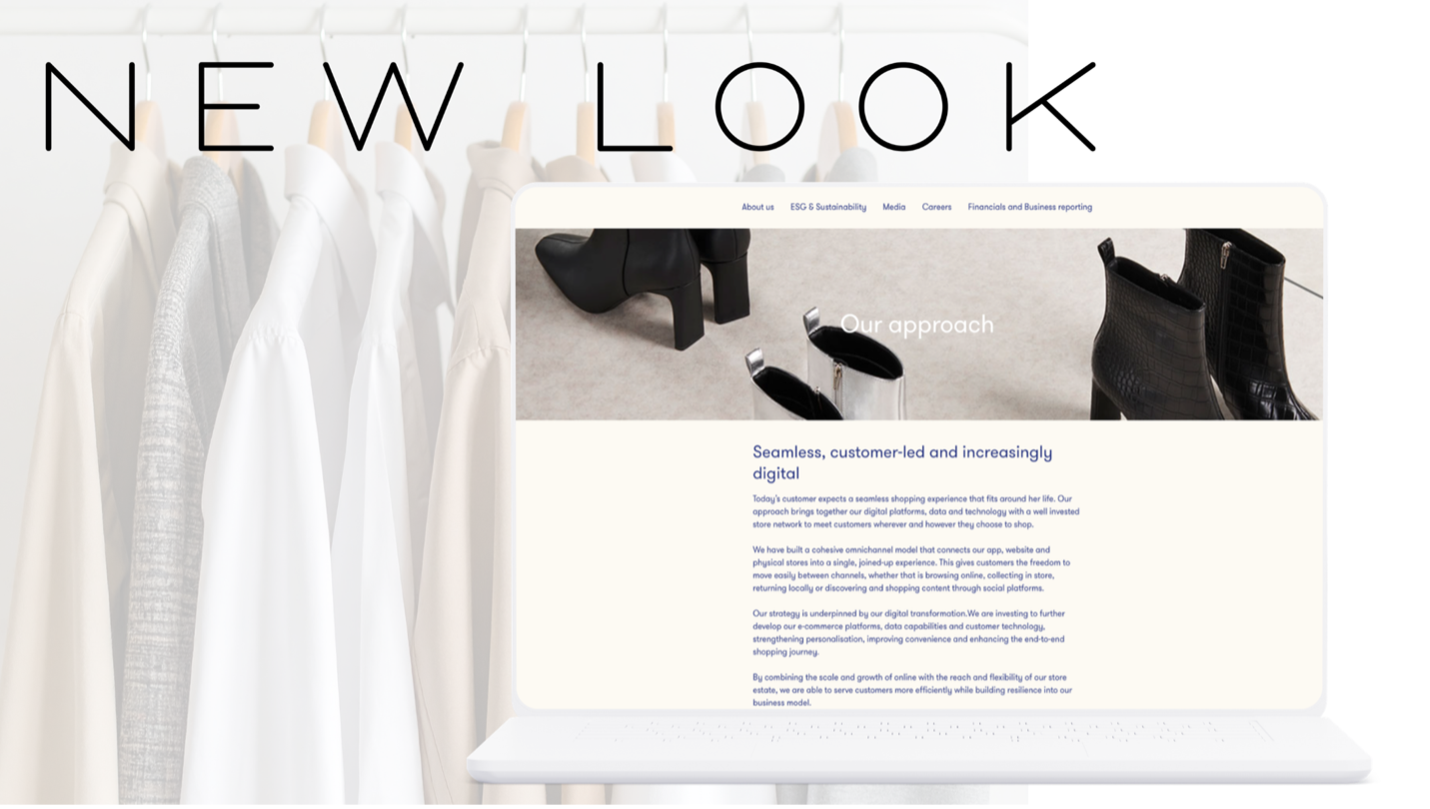
Case Study: New Look
New Look’s latest concept stores integrate omni-channel services including click-and-collect, endless aisle ordering and digital customer experiences. These investments are underpinned by customer insights and trading data, helping determine where new store concepts are most likely to succeed.
Key takeaway: Data-led decision-making is enabling retailers to identify stronger locations while giving landlords new opportunities to demonstrate the value of their assets.
5. Mixed-Use Developments Continue to Attract Retail Investment
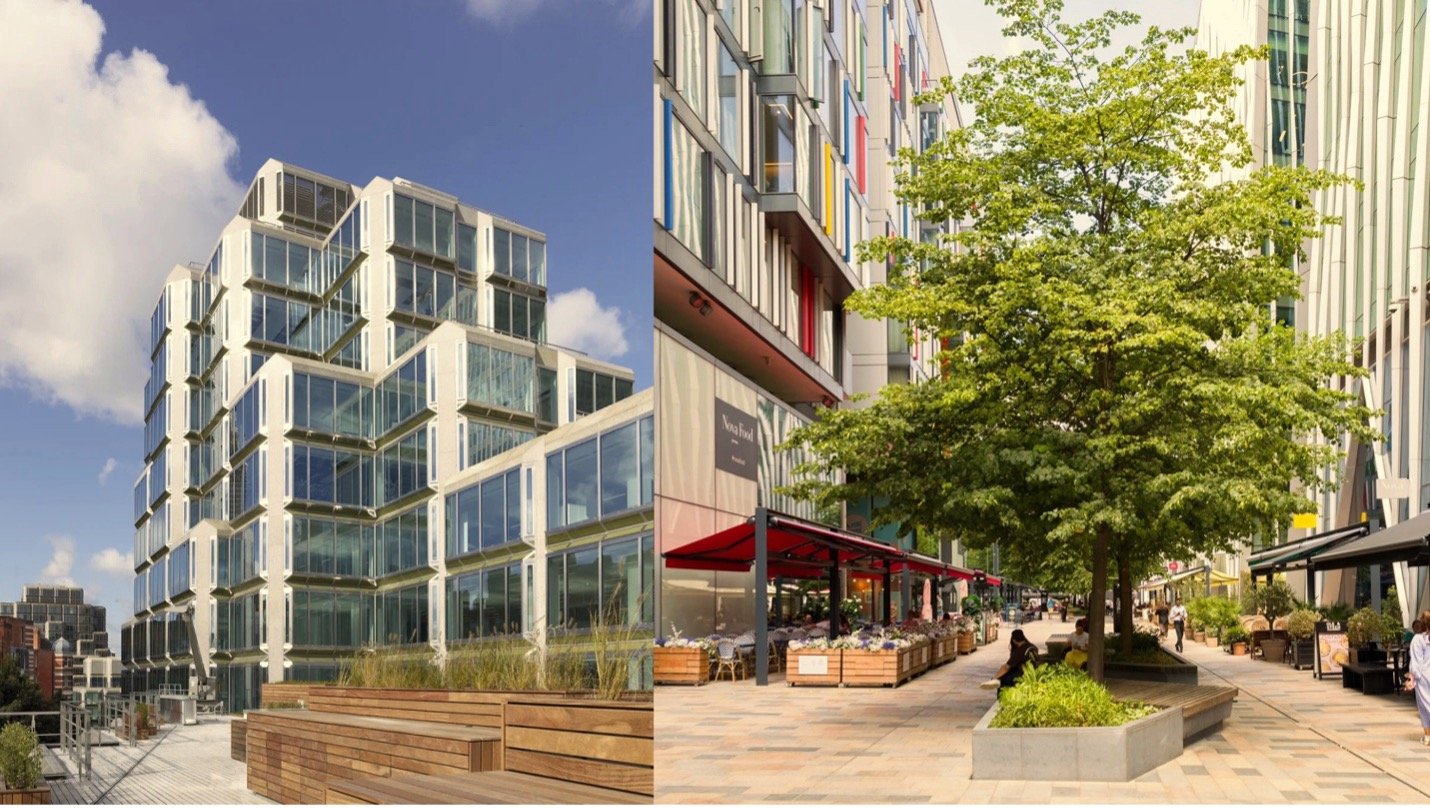
Retail destinations are becoming increasingly diverse. Developments that combine retail, leisure, residential, hospitality and office space create vibrant environments that generate footfall throughout the day, making them highly attractive to expanding brands.
Case Study: Landsec
Landsec continues to reposition many of its destinations as mixed-use environments, integrating retail with offices, homes, leisure and public spaces. This strategy reflects changing consumer behaviour and the growing demand for places that offer more than traditional shopping alone.
Key takeaway: Mixed-use developments provide retailers with larger and more diverse customer catchments while supporting long-term destination resilience.
6. Health, Wellness and Lifestyle Brands Remain High-Growth Categories
Consumer spending continues to shift towards health, wellbeing and lifestyle experiences. As a result, retailers operating within these sectors remain among the most active occupiers across the UK, supporting demand for both high streets and shopping centres.
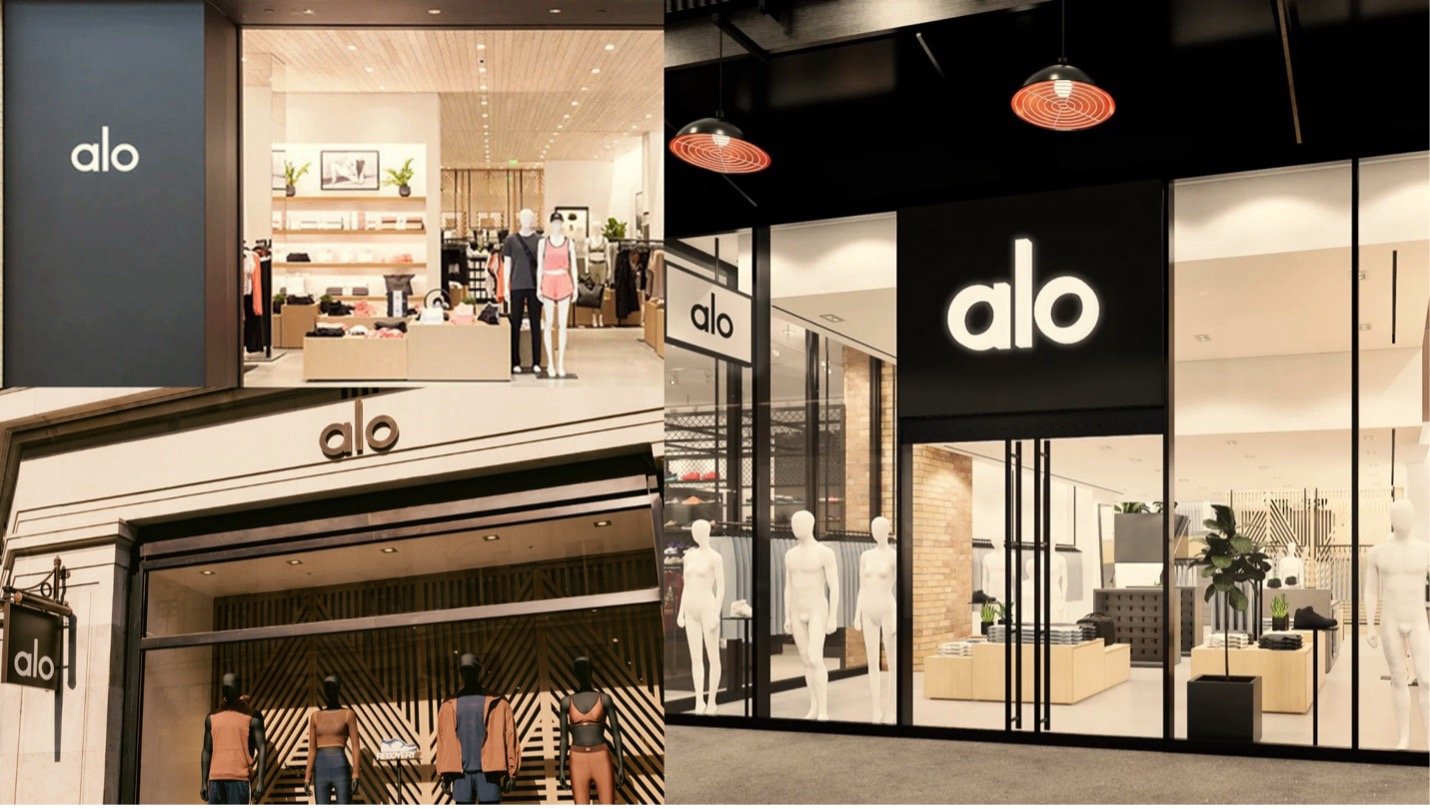
Case Study: Alo Yoga
Premium activewear brand Alo Yoga has expanded internationally, including into the UK, opening experience-led stores that blend retail with wellness-focused brand environments. Its continued growth highlights the strength of lifestyle retail as a driver of leasing demand.
Key takeaway: Wellness and lifestyle brands continue to represent one of the fastest-growing sectors within UK retail expansion.
7. Retail Parks Continue to Perform Strongly
Retail parks continue to attract investment from both retailers and consumers thanks to their accessibility, larger store formats, convenient parking and strong omnichannel capabilities. Many brands now view retail parks as essential components of their expansion strategies.
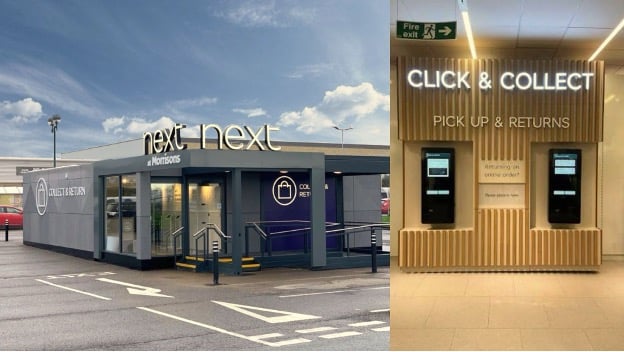
Case Study: Next
Next continues to strengthen its retail park portfolio, recognising the format’s ability to support click-and-collect services, larger product ranges and convenient customer access. Industry data also shows retail parks continue to experience some of the strongest occupancy rates across UK retail property.
Key takeaway: Retail parks remain one of the UK’s most resilient retail formats and continue to attract expansion from national brands.
8. Flexible Store Formats Are Supporting Faster Expansion
Retailers are becoming increasingly agile in how they enter new markets. Instead of immediately committing to long-term leases, many brands are testing locations through pop-up stores, concessions and short-term leases before making permanent investment decisions.
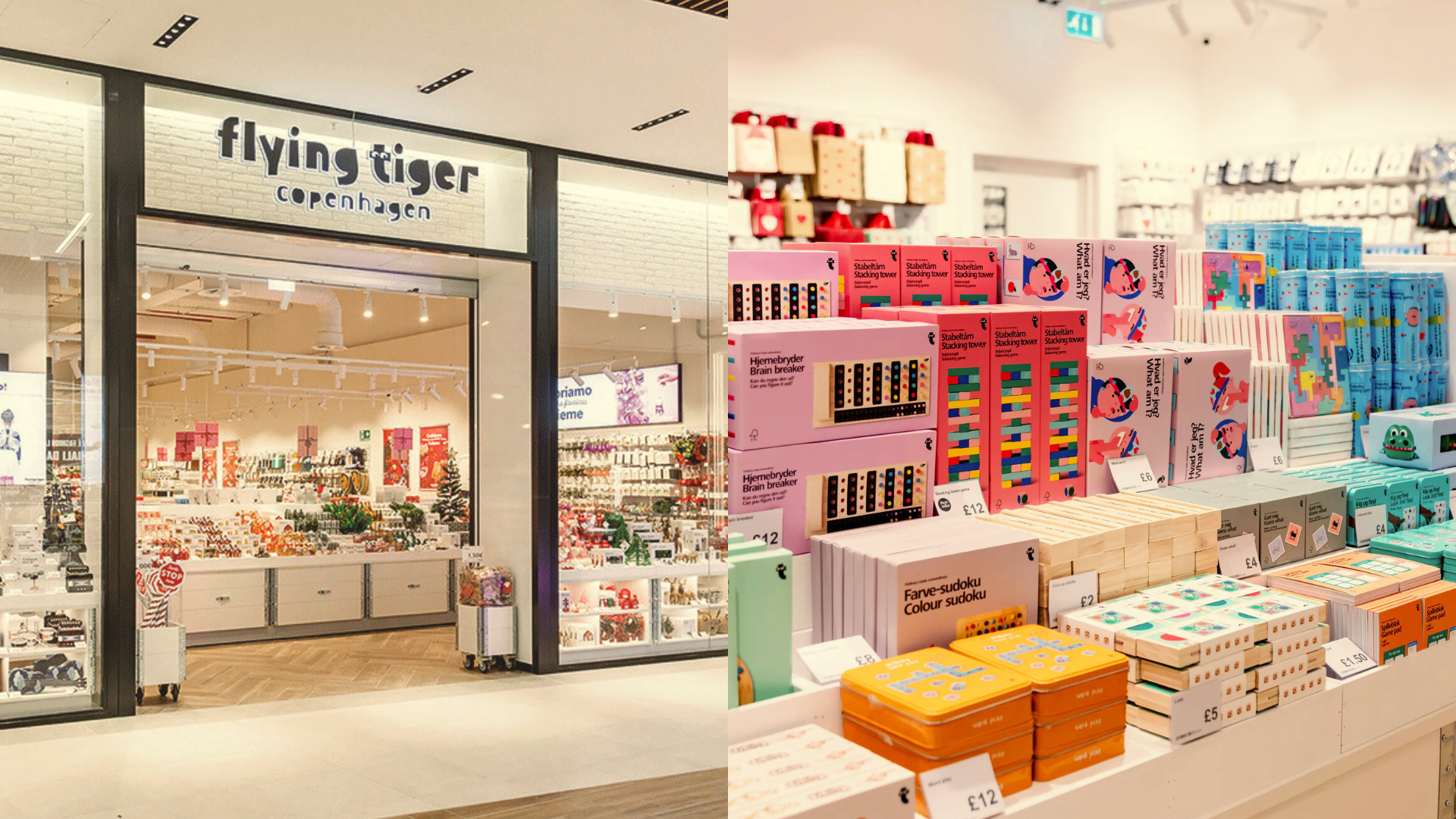
Case Study: Flying Tiger Copenhagen
Flying Tiger Copenhagen has expanded its UK footprint through a measured rollout strategy, adapting store formats to different locations and customer demographics. Across the wider market, flexible leasing continues to enable retailers to validate demand while reducing expansion risk.
Key takeaway: Flexible property strategies allow retailers to expand more confidently while helping landlords activate vacant space and introduce new occupiers.
Looking Ahead
The UK’s retail property market continues to evolve, but one thing remains constant: retailers still value physical space as a critical driver of brand growth, customer engagement and commercial success.
Expansion is becoming more targeted, more data-driven and more collaborative. Retailers are prioritising the right locations over simply opening more stores, while landlords and agents are increasingly focused on creating destinations that deliver long-term value for occupiers and consumers alike.
For professionals involved in retail leasing, site acquisition, asset management and commercial property, staying ahead of these trends is essential to making faster, more informed decisions.
At GRO Retail, we bring together expanding retailers, landlords, agents, developers and property professionals to connect live retailer demand with available retail space. Through market intelligence, meaningful networking and commercial collaboration, we help the industry build stronger relationships, identify new opportunities and accelerate retail growth across the UK.
Interested in being part of our community?
📆 Next event date: 15 April 2027, London
📧 Enquiries: marketing@groevents.com
References
Sources: The trends and case studies featured in this article are drawn from publicly available company reports, corporate announcements, industry research and market analysis published by leading retail organisations and property advisers.
Alo Yoga (2025) Retail expansion and store locations. Available at: https://www.aloyoga.com (Accessed: 7 July 2026).
British Retail Consortium (2026) Retail Insights and Industry Data. Available at: https://brc.org.uk (Accessed: 7 July 2026).
Landsec (2025) Annual Report and Retail Destinations. Available at: https://landsec.com (Accessed: 7 July 2026).
Marks & Spencer (2025) M&S Food expansion strategy. Available at: https://corporate.marksandspencer.com (Accessed: 7 July 2026).
New Look (2025) Our Strategy. Available at: https://www.newlookplc.com (Accessed: 7 July 2026).
Next plc (2025) Annual Report and Accounts 2025. Available at: https://www.nextplc.co.uk (Accessed: 7 July 2026).
Savills (2026) Lucky Seven: Retail & Leisure Occupational Trends 2026. Available at: https://www.savills.co.uk/research (Accessed: 7 July 2026).
Sephora UK (2025) Store openings and UK expansion. Available at: https://www.sephora.co.uk (Accessed: 7 July 2026).
UNIQLO (2025) Our Business and UK Expansion. Available at: https://www.uniqlo.com/uk (Accessed: 7 July 2026).
Flying Tiger Copenhagen (2025) Store Locations and International Growth. Available at: https://flyingtiger.com (Accessed: 7 July 2026).
.png?width=352&name=Growth%20Stories%20%20(5).png)